
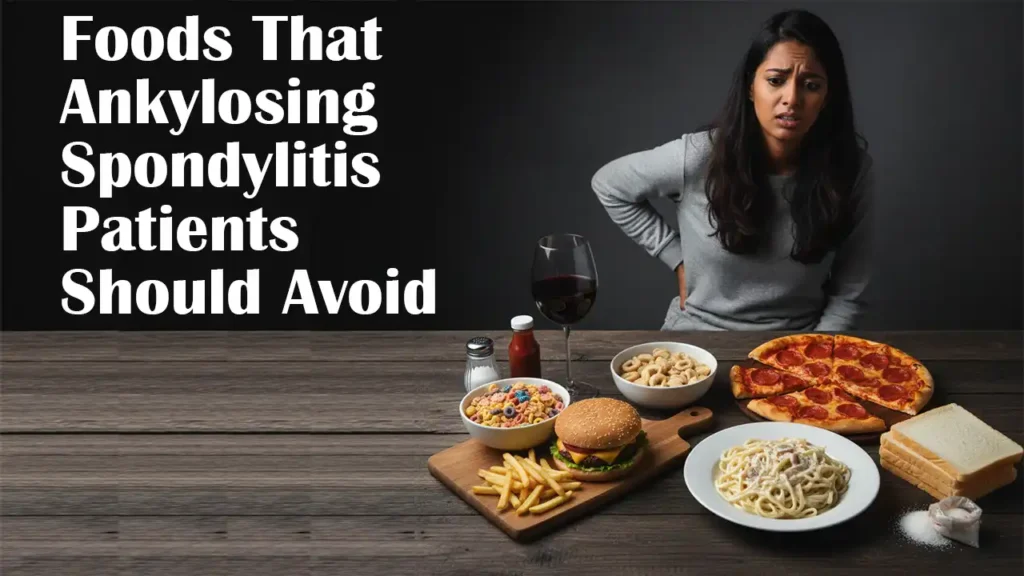

Ankylosing Spondylitis Foods that Increase Acidity and Pain
Many people who have ankylosing spondylitis often notice that gastric problems like acidity, gas, and bloating make their pain worse. This happens because the stomach and intestines are close to the spine, especially the lower back area. When there is too much gas inside the digestive system, it creates pressure in the abdominal area. This pressure can push against the muscles and joints near the spine, which may increase pain and stiffness for the patient.
People with ankylosing spondylitis already have inflammation in the spine, pelvis, and lower back. When gastric issues occur, the body becomes more uncomfortable, which makes the joints even more sensitive. Gas buildup can also cause the muscles around the spine to tighten, and this muscle tightness adds more stress to the inflamed areas. As a result, a person may experience more back pain, rib pain, and difficulty in bending or sitting.
Acidity and bloating also disturb digestion, which makes the body feel heavy and tired. Poor digestion can trigger inflammation in some people, and inflammation can directly increase ankylosing spondylitis symptoms. Many patients report that on days when they have more gas or acidity, their back feels stiffer and more painful.
Some foods are known to create more gas for ankylosing spondylitis patients. These include fried foods, too much spicy food, beans, cabbage, carbonated drinks, and very oily meals. Eating such foods can increase bloating, which leads to pressure and discomfort in the spine. Avoiding these foods helps reduce gastric problems and may help lower the pain caused by ankylosing spondylitis.
In simple words, keeping the stomach healthy is very important for managing ankylosing spondylitis. A light and easy-to-digest diet can help reduce gas, prevent bloating, and make spine pain feel less severe.
Below is the simple list of foods to avoid:
1. Fried and Oily Foods
These foods increase gas, bloating, and inflammation.
❌ Poori
❌ Paratha with too much oil
❌ Deep-fried snacks
❌ Fast food (burgers, fried chicken)
2. Spicy Foods
Spicy food can increase acidity and gas, which may increase pain.
❌ Too much chili
❌ Spicy curries
❌ Pickles
❌ Spicy street foods
3. Heavy Dal & Beans (Gas-forming)
These foods create excessive gas in many people.
❌ Rajma
❌ Chole
❌ Black chana
❌ White chana
❌ Soya chunks (if gas increases)
Tip: You can eat moong dal, which is light.
4. Milk for Lactose-Intolerant People
If milk causes gas or bloating, avoid milk.
❌ Full cream milk
❌ Milkshake
❌ Ice cream
Tip: Use curd or buttermilk instead.
5. Carbonated Drinks
They increase bloating and pressure on the spine.
❌ Soda
❌ Cold drinks
❌ Energy drinks
6. Gluten (In Some AS Patients)
Studies show some AS patients are gluten-sensitive.
❌ Wheat roti
❌ Noodles
❌ Pasta
❌ Bread
Tip: Try eating rice or millet roti (jowar, bajra) if gluten increases gas.
7. Tomatoes & Potatoes (Nightshade Family)
Some AS patients feel more joint pain after eating these foods.
❌ Tomato
❌ Potato
❌ Brinjal (eggplant)
❌ Capsicum
These may increase inflammation in some people.
8. Sugary Foods
Sugar increases inflammation and gastric issues.
❌ Sweets
❌ Pastries
❌ Sweet biscuits
❌ Chocolates (too much)
9. Alcohol
Alcohol irritates the stomach and can increase inflammation.
❌ Beer
❌ Whisky
❌ Wine
❌ Rum
10. Cabbage & Cauliflower (Gas-forming veggies)
These vegetables can increase gas.
❌ Cabbage
❌ Cauliflower
Tip: Eat these rarely and in small quantity.
FAQs
1. Does gas really increase ankylosing spondylitis pain?
Yes. Gas increases pressure around the spine, ribs, and stomach area, which can make AS pain worse.
2. Which dal is best for AS patients?
Moong dal and masoor dal because they are light and easy to digest.
3. Can AS patients drink milk?
If milk causes gas or bloating, avoid it. Use curd or buttermilk instead.
4. Is gluten bad for ankylosing spondylitis?
Not for everyone. But some people feel better when they reduce wheat. You can try switching to millet roti.
5. Which foods reduce gas for AS patients?
Cumin water, ginger tea, fennel seeds, curd, papaya, oats, banana.