
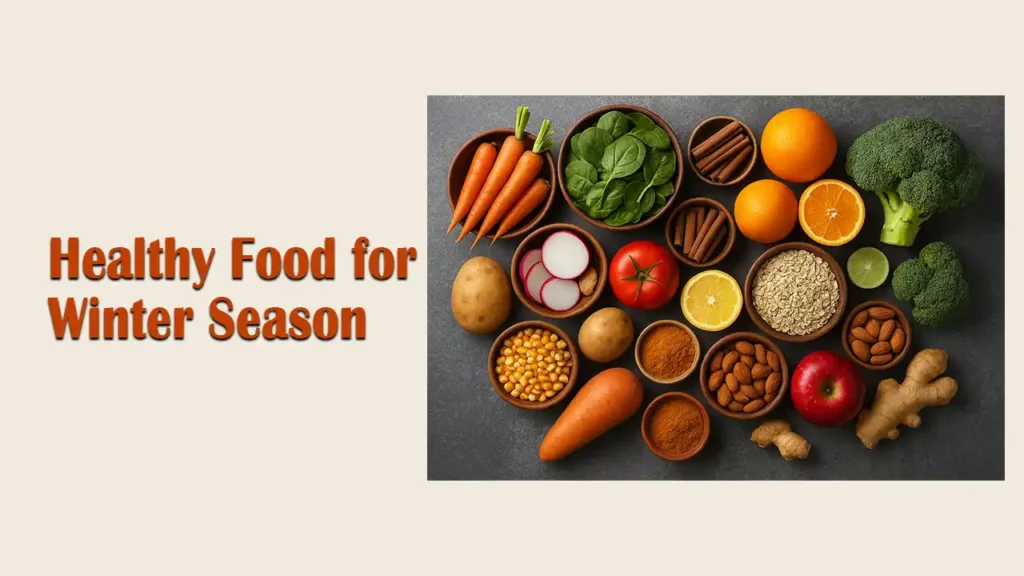

Healthy Food for Winter Season in India That Keep You Strong & Energetic
Winter changes the weather, and with that, our body also needs a different type of care. Cold air, low temperature, and slow digestion can make us feel tired, dry, or weak. Eating the right food is one of the best ways to support the body during this season.
In India, many nutritious foods naturally grow in winter. These foods help build immunity, provide warmth, give long-lasting energy, and protect us from common winter sickness. Below is a simple guide to Healthy Food for Winter Season in India that are backed by scientific knowledge and recommended by trusted health experts.
Foods That Help the Body in Winter
1. Whole Grains & Millets
Whole grains like bajra, ragi, oats, and whole wheat give slow and steady energy. In cold weather, the body needs warmth, and these foods help maintain body heat. They are rich in fiber and keep you full for a long time.
2. Seasonal Winter Vegetables
Spinach, methi, mustard leaves, carrot, beetroot, radish, and sweet potatoes are winter-friendly vegetables. These are packed with vitamins A, C, K, iron, fiber, and antioxidants. They help protect the body from infections and keep digestion smooth.
3. Root Vegetables for Extra Nutrition
Foods like carrots, beets, turnip, and sweet potatoes have nutrients that support skin, eyesight, immunity, and energy. Because they grow under the soil, they naturally carry minerals that help the body during cold months.
4. Vitamin-C Rich Fruits
Oranges, guava, amla, and lemons are excellent for winter. They are full of vitamin C, which strengthens the immune system and helps the body fight colds and coughs.
5. Healthy Spices & Herbs
Ginger, garlic, turmeric, cinnamon, and black pepper act like natural protectors. They help improve digestion, warm the body, support breathing, and reduce inflammation. These spices have been studied widely and show benefits for immunity and circulation.
6. Nuts, Seeds & Good Fats
Almonds, walnuts, sesame seeds (til), peanuts, and a small amount of ghee help the body stay warm. They give healthy fats, protein, and minerals. During winter, these help maintain skin health, brain function, and energy.
7. Warm Drinks, Soups & Fluids
In winter, people drink less water, which leads to dryness. Warm water, soups, herbal teas, ginger tea, or turmeric milk help hydration and support the immune system.
A Simple Winter Diet Example
After Waking Up
Warm water or ginger-lemon water.
Breakfast
Millet upma / oats porridge / whole-wheat roti + seasonal vegetables + a fruit.
Mid-Morning Snack
Nuts, seeds, or winter fruit like guava or orange.
Lunch
Whole-wheat roti or brown rice + dal or chickpeas + green vegetable + carrot-beetroot salad + warm buttermilk.
Evening
Soup, roasted sweet potato, or warm herbal tea.
Dinner
Light roti or millet chapati + vegetable curry + dal + a small bowl of greens.
Before Bed (optional)
Warm milk with a pinch of turmeric.
Why These Foods Work in Winter
- Boost immunity: Fruits like amla and oranges and vegetables like greens are rich in vitamin C and antioxidants, which help the body fight infections.
- Keep the body warm: Whole grains, nuts, seeds, and good fats help maintain body heat.
- Improve digestion: Spices such as ginger and garlic make digestion smoother, especially when digestive power weakens in winter.
- Protect skin: Healthy fats and vitamin-rich foods prevent winter dryness.
- Provide steady energy: Millets, whole grains, and root vegetables release energy slowly and keep you active.
These benefits are supported by long-term nutrition studies, Indian medical experts, and global research on immunity, vitamins, and winter diet patterns.
Easy Tips for Winter Eating
- Prefer freshly cooked warm meals instead of refrigerated foods.
- Avoid too much fried or sugary food.
- Drink warm liquids throughout the day to prevent dehydration.
- Always wash fruits and vegetables properly.
- Don’t skip meals even if you don’t feel hungry due to cold weather.
Final Message
Healthy winter eating is simple. Focus on warm, fresh, seasonal foods that nature provides during this time. Make your plate colorful with greens, fruits, whole grains, nuts, and root vegetables. With this kind of diet, you can stay energetic, strong, and protected throughout the winter season.
FAQs
Is ghee good in winter?
Yes, in small amounts. It gives healthy fats and warmth.
Which fruits are best?
Amla, guava, orange, papaya — all high in vitamin C.
Are millets better than rice?
In winter, foods like ragi and bajra are excellent because they keep the body warm and give energy.